

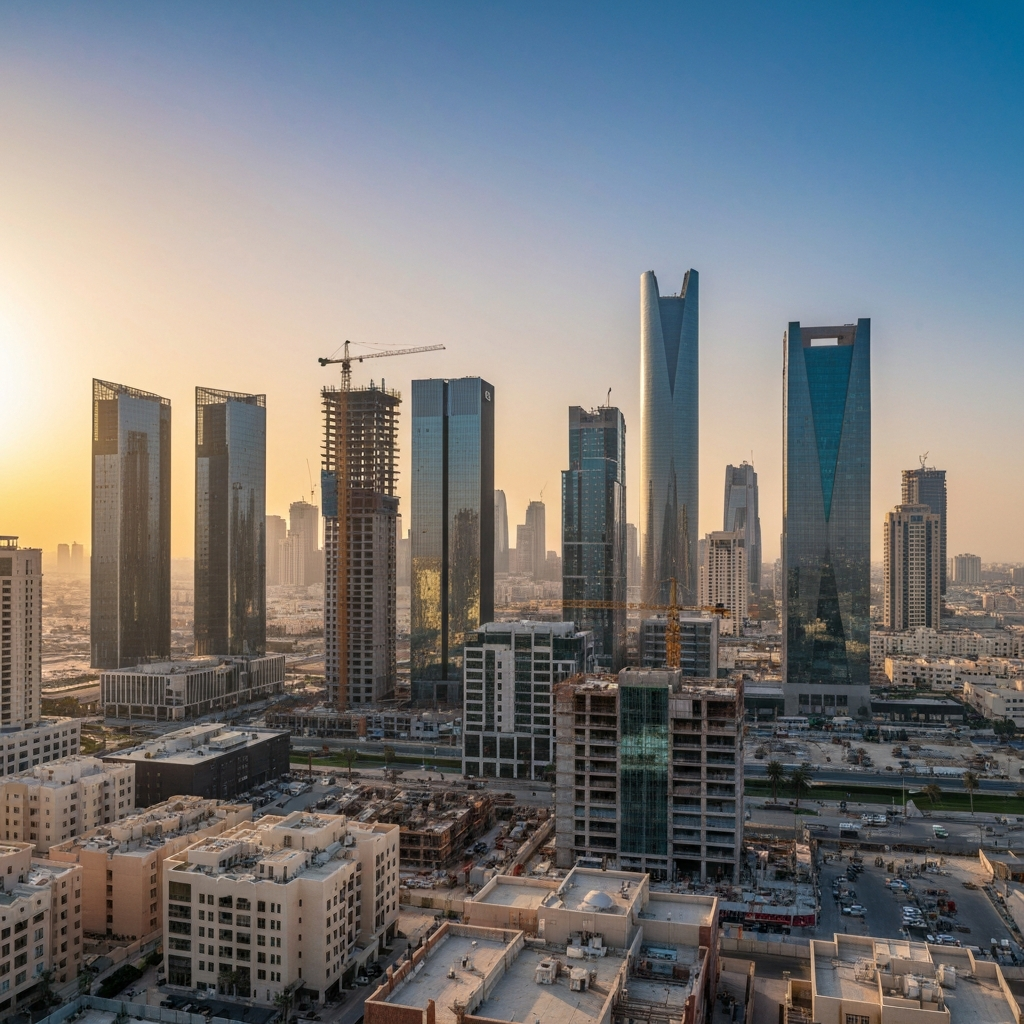
Riyadh’s real estate market is undergoing significant transformations, reflecting the city’s rapid growth and the Kingdom’s Vision 2030 objectives. Understanding these changes is essential for residents and potential investors.
Market Trends
Recent data indicates a surge in residential sales values. In the first half of 2025, Riyadh recorded a 63% year-on-year increase, reaching SAR 65.7 billion (US$17.5 billion). This growth is attributed to population expansion, economic diversification, and substantial infrastructure projects. Notably, apartment prices rose by 10.5% to an average of SAR 6,100 per square meter, while villa prices increased by 12.4% to SAR 5,396 per square meter. Rental rates also saw an uptick, with apartment rents rising by 10.3% and villa rents by 14.4%.
New Developments
The city is set to welcome approximately 57,000 new residential units between 2026 and 2027. Among these developments is the Oasis Residence, a collaboration between Alargan Projects Company and Korea’s GS REDC. Located on Al Thumamah Road in North Riyadh, this project offers 182 modern semi-furnished apartments, with prices starting from SAR 787,000. The residence boasts amenities such as a fitness center, residents’ lounge, children’s play area, café, and private basement parking.
Opportunities for Residents and Investors
The influx of new housing units presents diverse options for prospective homeowners and investors. Areas like Al Narjis are witnessing the development of integrated residential projects, such as the Al Narjis Residence, which comprises 11 buildings and 585 housing units. These projects emphasize modern living within well-planned communities, catering to the evolving needs of Riyadh’s residents.
For those considering entering the market, it’s advisable to stay informed about ongoing developments and assess how these align with personal or investment goals. Engaging with reputable real estate consultants can provide valuable insights into the best opportunities available.
As Riyadh continues its trajectory of growth and modernization, the real estate sector remains a pivotal component of the city’s transformation, offering promising prospects for those looking to be part of its vibrant future.