

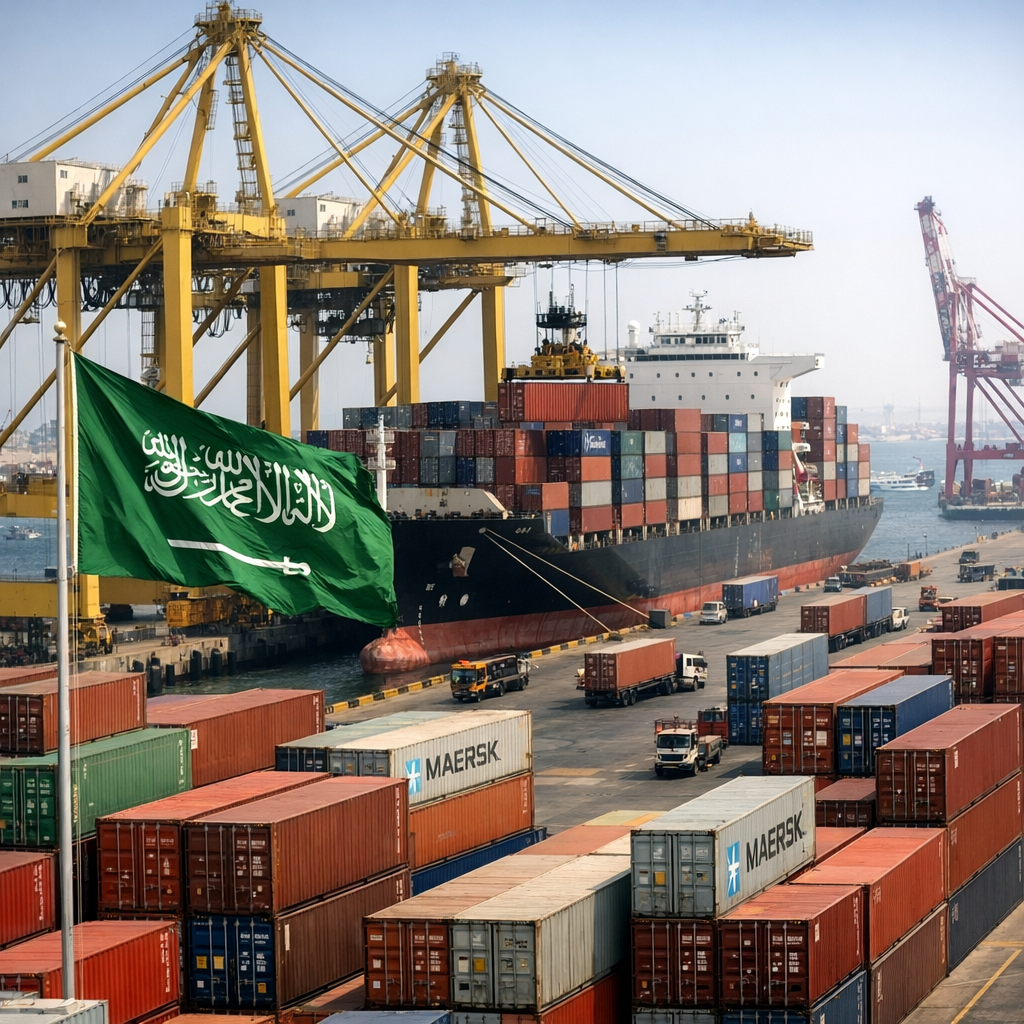
In recent years, the United States has implemented a series of economic policies that have reverberated across global markets, including those in the Middle East. For Saudi Arabia, understanding these shifts is crucial to navigating the evolving economic landscape.
U.S. Tariff Policies and Global Trade
The U.S. administration’s decision to impose a 10% global tariff on imports has introduced new dynamics in international trade. While the primary targets of these tariffs are major economies like China, the ripple effects are felt worldwide. Middle Eastern countries, including Saudi Arabia, are assessing the potential impact on their export sectors and overall trade balances. The Gulf Cooperation Council (GCC) nations, for instance, are exploring strategies to mitigate any adverse effects stemming from these tariffs. [Source: The Middle East Insider]
Monetary Policy and Financial Markets
Changes in U.S. monetary policy, particularly adjustments in interest rates by the Federal Reserve, have significant implications for global financial markets. For countries like Saudi Arabia, whose currency is pegged to the U.S. dollar, such changes can influence capital flows, investment decisions, and economic growth. A study by the International Monetary Fund highlights how U.S. monetary policy spillovers affect the Middle East and Central Asia, emphasizing the need for these regions to adapt to external financial shocks. [Source: International Monetary Fund]
Energy Markets and Economic Stability
The Middle East remains a pivotal player in global energy markets. However, geopolitical tensions and conflicts in the region can disrupt energy supplies, leading to volatility in oil prices. Such disruptions not only affect global economies but also have direct consequences for Saudi Arabia’s oil-dependent economy. The International Monetary Fund has noted that conflicts in the Middle East can lead to significant disruptions in global oil markets, emphasizing the interconnectedness of regional stability and economic performance. [Source: International Monetary Fund]
Strategic Considerations for Saudi Arabia
Given these developments, Saudi Arabia is focusing on economic diversification to reduce its reliance on oil revenues. Initiatives like Vision 2030 aim to foster growth in sectors such as tourism, entertainment, and technology. Additionally, strengthening trade relations with a broader range of international partners can help mitigate the risks associated with unilateral economic policies from major economies.
In conclusion, while U.S. economic policies continue to influence global markets, proactive measures and strategic planning can enable Saudi Arabia to navigate these challenges effectively, ensuring sustained economic growth and stability.