

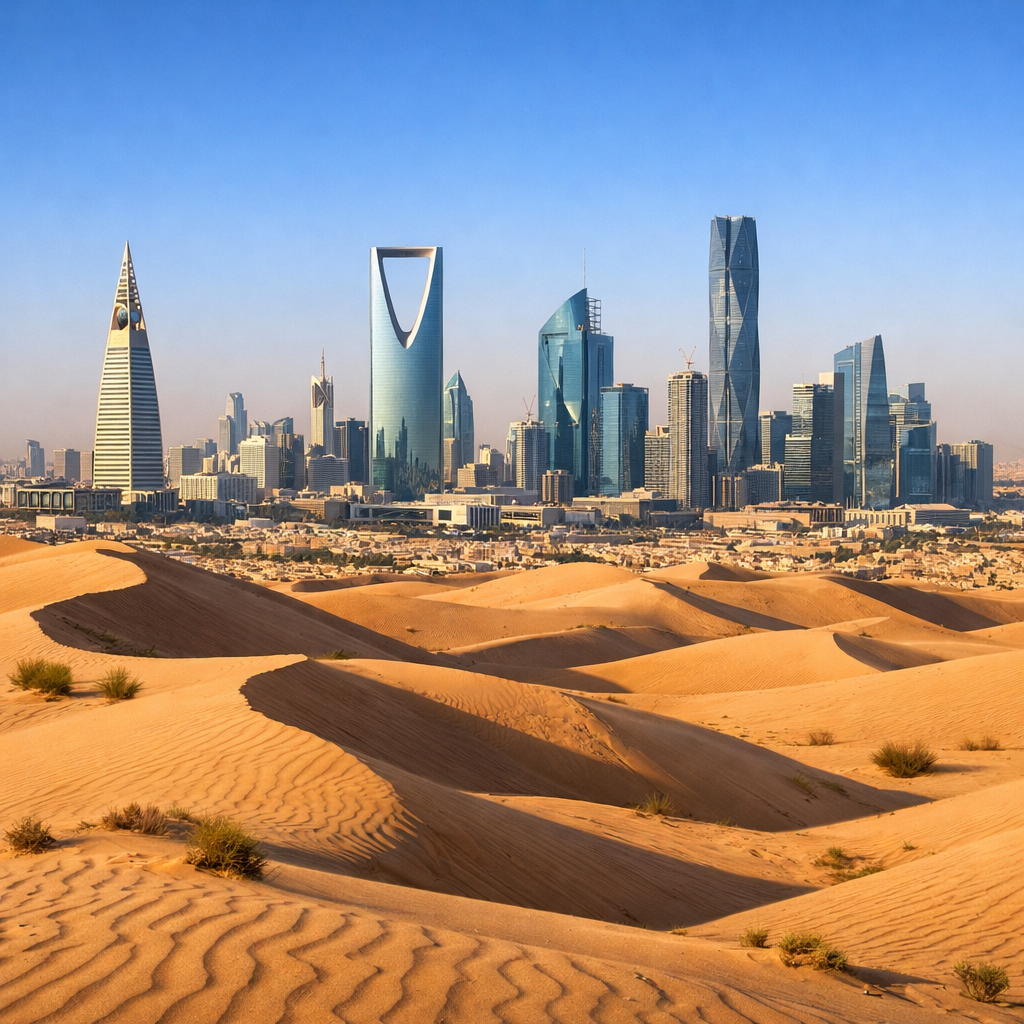
Riyadh, the capital of Saudi Arabia, is characterized by a hot desert climate, marked by extreme temperatures and minimal rainfall. Understanding the city’s seasonal patterns and environmental challenges is essential for residents and visitors alike.
Seasonal Overview
Summer (May to September)
Summers in Riyadh are intensely hot, with daytime temperatures frequently exceeding 45°C (113°F). July is typically the hottest month, with average highs around 44°C (111°F). The heat is dry, and rainfall is virtually nonexistent during this period.
Winter (December to February)
Winters are mild, with average daytime temperatures ranging from 20°C to 25°C (68°F to 77°F). January is the coolest month, with average lows around 9°C (48°F). This season also sees the majority of the city’s modest annual rainfall, averaging around 15 mm (0.59 inches) in January.
Environmental Challenges
Air Quality
Riyadh faces significant air quality challenges due to a combination of natural and human-made factors. Desert dust and sandstorms frequently elevate particulate matter levels, while vehicular emissions and industrial activities contribute to pollutants like nitrogen dioxide (NO₂) and carbon monoxide (CO). Monitoring stations across the city provide real-time data on air quality, helping residents make informed decisions about outdoor activities.
Sandstorms
Sandstorms, known locally as ‘haboobs,’ are common in Riyadh, especially during transitional seasons. These storms can reduce visibility and impact respiratory health. It’s advisable to stay indoors during severe sandstorms and ensure that homes are sealed to prevent dust infiltration.
Mitigation Efforts
To address environmental challenges, Riyadh has initiated several projects:
- Green Riyadh Project: Aims to plant over 7.5 million trees across the city to improve air quality and provide shade.
- Public Transportation Expansion: The development of the Riyadh Metro aims to reduce reliance on private vehicles, thereby decreasing vehicular emissions.
- Environmental Regulations: Implementation of stricter regulations on industrial emissions and promotion of renewable energy sources to reduce pollution.
By understanding Riyadh’s climate and the ongoing efforts to mitigate environmental challenges, residents and visitors can better navigate the city’s unique weather conditions and contribute to a healthier environment.