

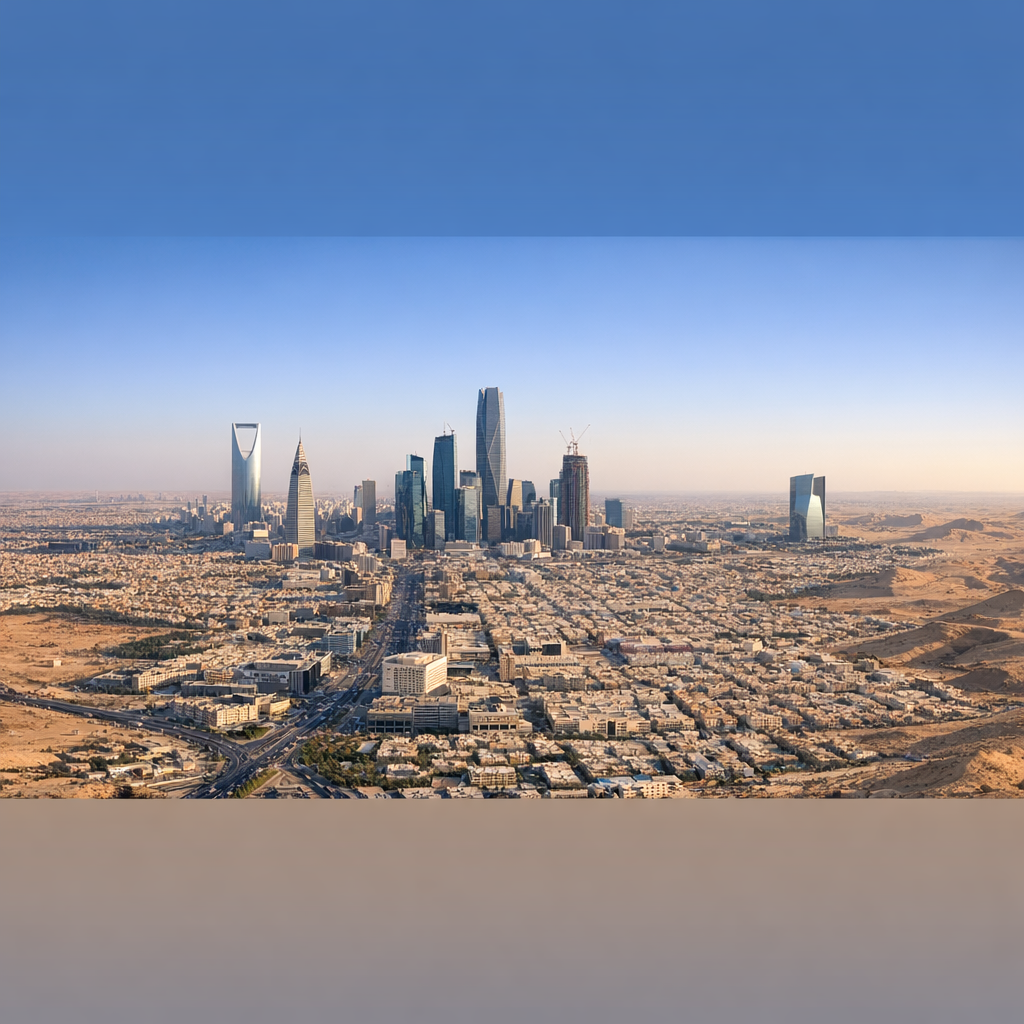
Riyadh, the capital of Saudi Arabia, experiences a desert climate characterized by extreme heat in the summer and mild winters. Understanding these patterns is essential for residents and visitors alike.
Seasonal Climate Overview
Summer (May to September)
Summers in Riyadh are long and intensely hot. Average high temperatures often exceed 40°C (104°F), with July being the hottest month, averaging around 43°C (109°F). Rainfall is scarce during this period, and humidity remains low, contributing to the arid conditions.
Winter (November to February)
Winters are short and mild. Daytime temperatures typically range from 20°C to 25°C (68°F to 77°F), while nighttime temperatures can drop to around 10°C (50°F). This season also sees the majority of the city’s limited annual rainfall, averaging around 100 mm (4 inches), primarily between November and May.
Environmental Challenges
Air Quality Concerns
Riyadh faces significant air quality challenges due to both natural and human-made factors. Frequent dust and sandstorms elevate particulate matter levels, while vehicular emissions and industrial activities contribute to pollution. In 2025, Riyadh was reported among the most polluted cities globally.
Mitigation Efforts
To address these issues, the Royal Commission for Riyadh City monitors air quality through 17 stations across the city. Initiatives like the Green Riyadh Project aim to plant over 7.5 million trees, enhancing air quality and providing shade. Additionally, the expansion of public transportation networks, including the Riyadh Metro Project, seeks to reduce vehicular emissions.
Understanding Riyadh’s climate and environmental challenges is crucial for developing effective strategies to improve the city’s livability and sustainability.